Understanding Astaxanthin and Its Sources
What is Astaxanthin?
Astaxanthin is a powerful carotenoid and a member of the xanthophyll family, known for its striking reddish-orange color. This pigment is crucial for various organisms, like microalgae and certain seafood, allowing them to thrive in their environments. Astaxanthin is recognized for its strong antioxidant properties, which provide protection against oxidative stress and reduce inflammation in the body. Its unique molecular structure makes it remarkably effective at quenching free radicals, making it a suitable candidate for various health-related applications.
Natural Sources of Astaxanthin
Astaxanthin naturally occurs in a variety of sources, particularly in marine environments. Some of the primary natural sources include:
- Microalgae: The primary source of astaxanthin is Haematococcus pluvialis, a species of green microalgae that can produce high concentrations of this carotenoid, particularly under stress conditions.
- Seafood: Various marine animals that consume microalgae contain astaxanthin in their tissues. This includes salmon, shrimp, and certain types of crab. For example, the pink color of salmon is mostly attributed to the astaxanthin accumulated in their flesh from their diet.
- Some plants: Though it is less common, astaxanthin can also be found in certain fruits and vegetables, albeit in much smaller amounts.
In summary, the most potent sources are microalgae and seafood, making them crucial constituents of diets that aim to leverage the benefits of astaxanthin.
How Astaxanthin Works in the Body
Astaxanthin's mechanism of action occurs through its ability to integrate into biological membranes, providing cellular protection. Its unique structure enables it to span the lipid bilayer of cell membranes, allowing it to neutralize free radicals both inside and outside cells effectively. Additionally, astaxanthin can modulate immune responses by reducing pro-inflammatory cytokines, thereby helping to maintain homeostasis in the body.
This antioxidant extends its benefits by improving mitochondrial function, enhancing cellular energy production, and reducing exercise-induced oxidative stress. As a result, it helps improve endurance, recovery times, and overall performance in both athletic and non-athletic populations.
Health Benefits of Astaxanthin
Antioxidant Properties of Astaxanthin
One of the most significant health attributes of astaxanthin is its antioxidant potency, which is estimated to be 6000 times stronger than Vitamin C. This extraordinary property allows astaxanthin to protect the body from oxidative stress, which can lead to a host of chronic diseases, including heart disease, diabetes, and neurodegenerative conditions. Research indicates that regular consumption of astaxanthin can significantly lower oxidative markers in the bloodstream, contributing to overall health and wellness.
Possible Anti-Inflammatory Effects
Astaxanthin has garnered attention for its potential anti-inflammatory properties. Studies suggest that it can inhibit inflammatory pathways and reduce levels of pro-inflammatory markers. This effect is particularly beneficial for individuals suffering from inflammatory conditions such as arthritis, neuroinflammation, and various skin disorders. By modulating inflammation, astaxanthin can aid in pain management and improve quality of life.
Enhancing Skin Health with Astaxanthin
Astaxanthin's benefits extend to skin health as well. As an antioxidant, it can protect the skin from damage caused by UV rays and environmental factors. Studies show that topical application of astaxanthin enhances skin elasticity, moisture content, and reduces the appearance of fine lines and wrinkles. It also aids in healing skin conditions by promoting healthier skin turnover and reducing redness and irritation.
Astaxanthin Supplementation
Choosing the Right Astaxanthin Supplement
When selecting an astaxanthin supplement, it's vital to consider the source and quality. Products derived from Haematococcus pluvialis are generally regarded as the most potent. Furthermore, look for formulations that include natural astaxanthin rather than synthetic versions, since natural sources provide superior bioavailability. Certifications from third-party testing can also provide assurance of product purity and safety.
Dosage Recommendations
The dosage of astaxanthin can vary based on individual health goals and conditions. Generally, a daily dose of 4 to 12 mg is considered effective for most adults. However, it’s advisable to consult with a healthcare provider before beginning supplementation, especially for individuals with pre-existing health concerns or those taking other medications.
Possible Side Effects and Considerations
Astaxanthin is generally regarded as safe for most people when taken at recommended doses. However, some individuals may experience mild side effects such as digestive discomfort or skin discoloration. Pregnant or nursing women should avoid astaxanthin supplements unless directed by a healthcare professional. Continuous monitoring and consultations are essential for ensuring safe supplementation.
Integrating Astaxanthin into Your Diet
Recipes Rich in Astaxanthin
Cooking with astaxanthin-rich ingredients can be a great way to integrate this nutrient into your lifestyle. Below are a couple of delicious recipes:
Salmon with Mango Salsa
This dish combines salmon, a natural source of astaxanthin, with fresh mango for a summery taste.
Ingredients:
- 2 salmon fillets
- 1 ripe mango, diced
- 1 red onion, finely chopped
- Juice of 1 lime
- Salt and pepper to taste
Instructions: Grill or pan-sear the salmon until cooked through. Mix mango, onion, lime juice, salt, and pepper for salsa. Serve salmon topped with mango salsa for a nutritious meal.
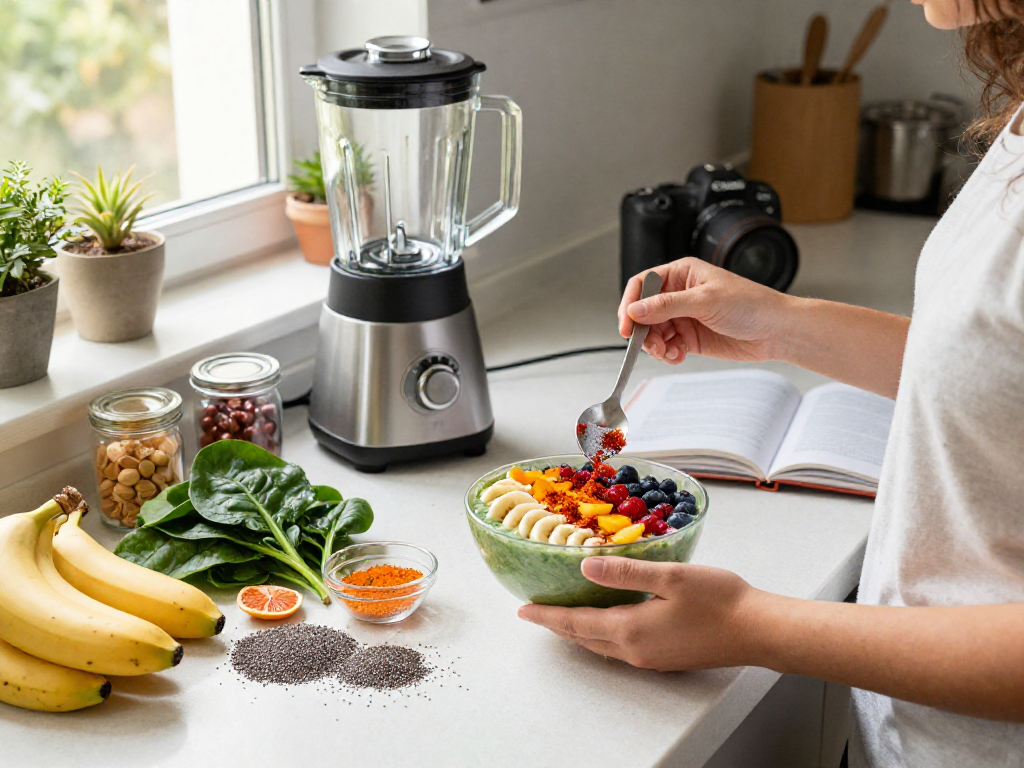
Avocado Smoothie with Spinach
This vibrant smoothie features spinach, which contains small amounts of astaxanthin.
Ingredients:
- 1 ripe avocado
- 1 cup fresh spinach
- 1 banana
- 1 cup almond milk
- 1 tablespoon honey (optional)
Instructions: Blend all ingredients until smooth. Enjoy the creamy texture and rich nutrients, including a dose of astaxanthin!
Daily Meal Planning for Astaxanthin
Incorporating astaxanthin into your daily diet can be straightforward. Aim to consume at least 2-3 servings of astaxanthin-rich foods like salmon and shrimp each week. Add salads with spinach or seaweed to your meals. Experiment with seafood tacos or sushi to diversify your intake while enjoying the benefits of astaxanthin.
Astaxanthin and Overall Wellness
Integrating astaxanthin into your lifestyle can enhance not just physical health but also mental wellbeing. By reducing oxidative stress and inflammation, astaxanthin can contribute to overall vitality, supporting everything from athletic performance to skin health. As part of a holistic wellness approach, astaxanthin can be a valuable ally in maintaining a balanced, thriving life.
Research and Future of Astaxanthin
Recent Studies on Astaxanthin
Numerous studies continue to reinforce the health benefits of astaxanthin. Research has explored its effects on conditions such as cardiovascular health, metabolic disorders, and neuroprotection. Recent findings emphasize astaxanthin's role in improving cognitive function and enhancing endurance in athletes, reinforcing its status as a supernutrient.
Future Potential of Astaxanthin in Medicine
The future of astaxanthin holds significant promise in the medical field. Ongoing research may lead to applications as a therapeutic agent for chronic diseases, and potential development in pharmacological formulations targeting inflammatory and degenerative diseases. As understanding of its biochemical properties grows, so too will its applications.
Consumer Trends Around Astaxanthin
Consumer interest in astaxanthin supplements is on the rise due to its broad range of benefits. Health-conscious individuals are increasingly looking towards natural supplements to improve their well-being. This trend reflects a growing awareness of preventive health measures and an inclination towards holistic and sustainable health solutions.
Frequently Asked Questions
What is the primary source of astaxanthin?
The primary source of astaxanthin is the microalgae Haematococcus pluvialis, commonly found in freshwater environments.
Can astaxanthin help with skin health?
Yes, astaxanthin can improve skin elasticity and hydration, protect from UV damage, and reduce the appearance of fine lines.
Is astaxanthin safe to take?
Astaxanthin is generally safe for most people when taken at recommended dosages, though individual reactions may vary.
How can I incorporate astaxanthin into my diet?
You can consume astaxanthin through foods like salmon, shrimp, and microalgae supplements to reap health benefits.
What are the side effects of astaxanthin?
Side effects of astaxanthin are rare but may include digestive discomfort or skin discoloration in some individuals.