
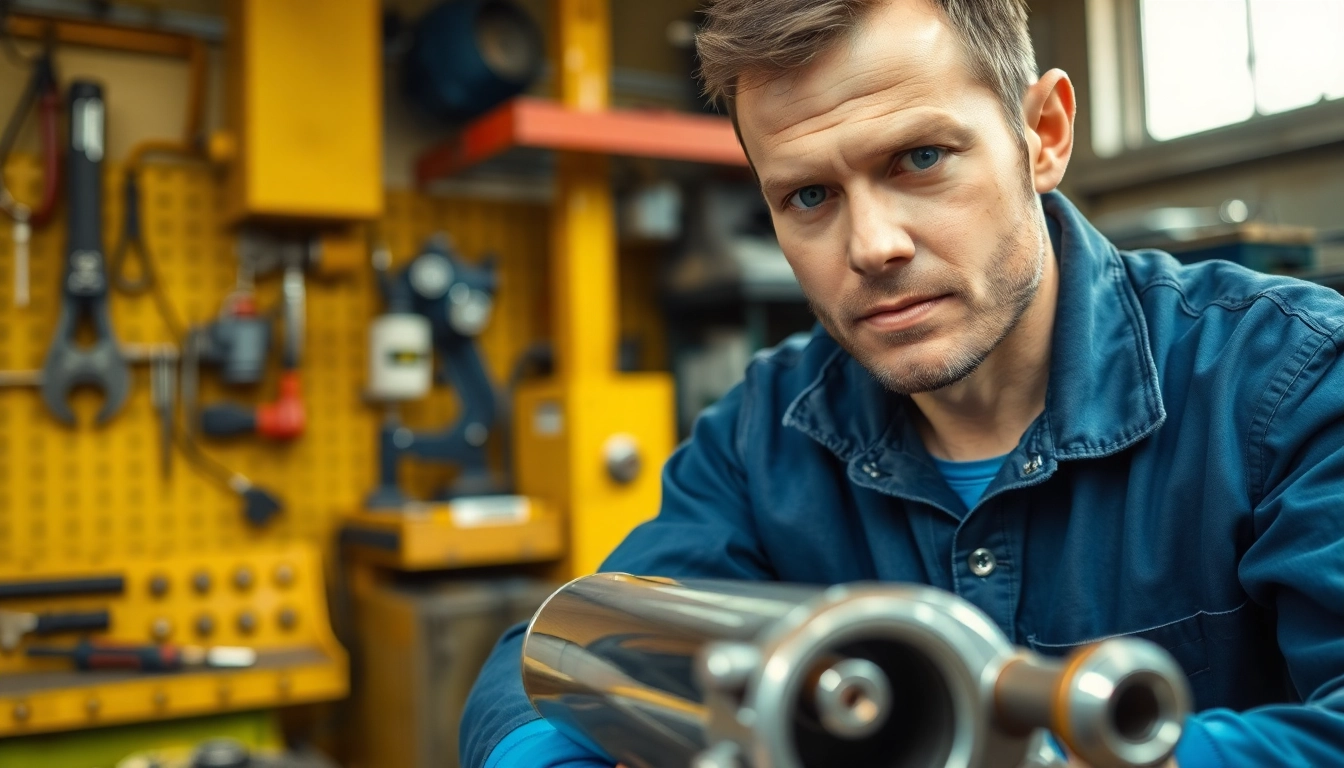
Understanding Hydraulic Cylinder Repair
What is Hydraulic Cylinder Repair?
Hydraulic cylinder repair refers to the process of restoring the functionality of hydraulic cylinders that have experienced wear, damage, or operational failure. Hydraulic cylinders play a crucial role in various machinery and equipment, relying on pressurized fluid to exert force and facilitate movement. Commonly found in industrial machinery, construction equipment, and automotive applications, these cylinders can suffer from issues such as seal failure, rod scratches, or piston damage over time. Repairing these components involves diagnosing the problem, disassembling the cylinder, replacing damaged parts, and reassembling it to ensure optimal performance.
Common Issues with Hydraulic Cylinders
Hydraulic cylinders can face several common issues that necessitate repair:
- Leaking Seals: Damaged or worn seals can lead to fluid leakage, reducing efficiency and potentially causing damage to other components.
- Corrosion: Exposure to harsh environments can lead to corrosion, affecting the cylinder’s integrity and performance.
- Scratched or Damaged Rods: The rod, responsible for transmitting force, can develop scratches or bends that hinder its function.
- Impaired Movement: Internal obstructions or mechanical wear can lead to friction and hinder fluid flow, causing sluggish operations.
- Piston Damage: A damaged piston can lead to compromised performance, necessitating repair or replacement.
Importance of Timely Repairs
Timely repairs of hydraulic cylinders are imperative for the longevity of equipment and the safety of operations. Delaying repairs can lead to more severe damage, increased downtime, and higher repair costs. Additionally, malfunctioning cylinders can pose safety risks to operators and bystanders, making immediate attention essential. Regular maintenance and prompt repair can preserve hydraulic system integrity and enhance overall efficiency.
Tools Required for Hydraulic Cylinder Repair
Essential Tools Overview
Engaging in hydraulic cylinder repair requires a specific set of tools to ensure precision and safety. The essential tools include:
- Wrenches: Various sizes of wrenches (including adjustable and socket types) are needed to remove bolts and fittings.
- Seal Pullers: These are necessary for removing old seals without damaging the cylinder.
- Gland Spanner Wrench: This special wrench is used to tighten or loosen gland nuts on the cylinder.
- Dial Calipers: Used to measure internal and external dimensions accurately for ensuring proper fit during reassembly.
- Torque Wrench: Important for applying the correct amount of torque to bolts during reassembly.
Safety Equipment for Repair Work
Safety should always be a priority during any repair work. Essential safety equipment includes:
- Safety Glasses: Protects the eyes from debris and fluid splashes.
- Gloves: Prevents hand injuries and exposure to hydraulic fluids.
- Steel-Toed Boots: Protects feet from heavy falling objects during repair operations.
- Ear Protection: Used when working in environments where noise levels are high, such as operation of heavy machinery.
Where to Source Quality Tools
To perform hydraulic cylinder repair effectively, obtaining quality tools is crucial. Reliable sources include:
- Specialty Tool Suppliers: Vendors that focus on hydraulic systems often provide specific tools required for cylinder repair.
- Online Retailers: Websites like Amazon offer an array of hydraulic repair tools with customer reviews that can guide purchases.
- Local Hardware Stores: For immediate needs, local hardware stores often stock basic tools suitable for hydraulic repairs.
Step-by-Step Hydraulic Cylinder Repair Process
Preparation Before Starting Repairs
Preparation is key to a successful hydraulic cylinder repair. Follow these steps:
- Ensure all necessary tools are within reach and checked for functionality.
- Disconnect the hydraulic lines safely and cap the ports to prevent any fluid leakage.
- Clean the cylinder exterior to prevent dirt and contamination from entering during disassembly.
Disassembling the Hydraulic Cylinder
The disassembly process involves several critical steps:
- Loosen the End Caps: Use the appropriate wrenches to carefully loosen and remove the end caps, ensuring you note the order of disassembly for reassembly.
- Remove the Piston: Gently pull the piston out of the cylinder, taking care not to damage any internal surfaces.
- Inspect and Remove Seals: Check the condition of each seal as you remove them, and use seal pullers to extract them without harming the cylinder walls.
Reassembly Techniques for Optimal Performance
When reassembling, keep the following tips in mind for optimal results:
- Replace Seals: Always replace old seals with new ones to ensure airtight conditions.
- Clean Components: Before reassembly, ensure that all parts are cleaned thoroughly to remove any debris or contaminants.
- Follow Tightening Specifications: Use a torque wrench to apply the specified torque on bolts and nuts to avoid any unnecessary stress or damage.
Best Practices in Hydraulic Cylinder Repair
Preventive Maintenance Strategies
Preventive maintenance is essential in extending the service life of hydraulic cylinders. Key strategies include:
- Regularly inspect cylinders for signs of wear or leaks, addressing issues immediately.
- Keep hydraulic fluid levels topped up and the fluid clean to prevent contamination.
- Establish a maintenance schedule to service cylinders at regular intervals based on usage.
Common Mistakes to Avoid
Prevent setbacks by avoiding these common mistakes during repairs:
- Neglecting to document the disassembly process can lead to challenges in reassembly.
- Using incorrect tools can damage components and lead to expensive repairs.
- Skipping the inspection of internal parts can result in overlooking critical issues that necessitate urgent attention.
Testing and Quality Assurance Post-Repair
After completing repairs, it’s essential to validate your work to ensure functionality:
- Connect the cylinder to a hydraulic system and conduct functionality tests to ensure proper operation.
- Check for leaks by applying pressure and examining all joints and seals thoroughly.
- Perform a load test to confirm that the cylinder can handle the expected operational pressure without any issues.
FAQs About Hydraulic Cylinder Repair
What are the signs of a failing hydraulic cylinder?
Signs include leaking hydraulic fluid, unusual noises during operation, inconsistent movement, and visible damage such as scratches or dents.
Can all hydraulic cylinders be repaired?
Most hydraulic cylinders can be repaired, but severe damage or excessive wear might necessitate replacement. Evaluation by a professional is recommended.
How long does hydraulic cylinder repair typically take?
The duration for hydraulic cylinder repair varies, generally ranging from a few hours to several days, depending on the complexity of the damage and parts availability.
What is the average cost for hydraulic cylinder repair?
Costs can vary widely, often ranging from $100 to $500 or more, influenced by factors like parts needed, labor, and the extent of the damage.
How can I maintain a hydraulic cylinder after repair?
Regularly check for leaks, ensure proper fluid levels, perform routine cleaning, and inspect seals and hoses to prolong the cylinder’s lifespan.
Contact Information
Call Us: 1 780-452-2876
Email: [email protected]
Address: 13111 159 St NW, Edmonton, AB, Canada, T5V 1H6